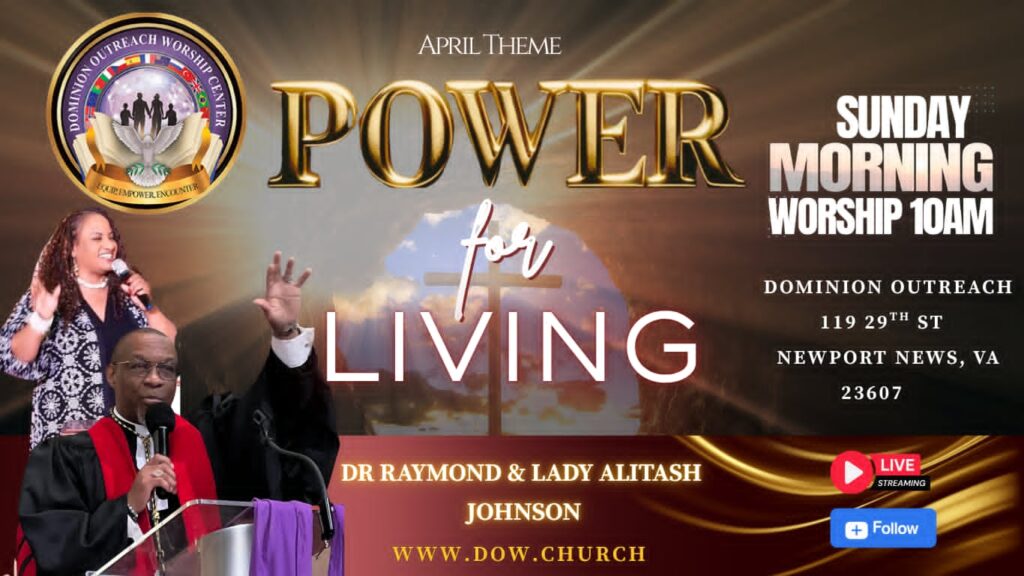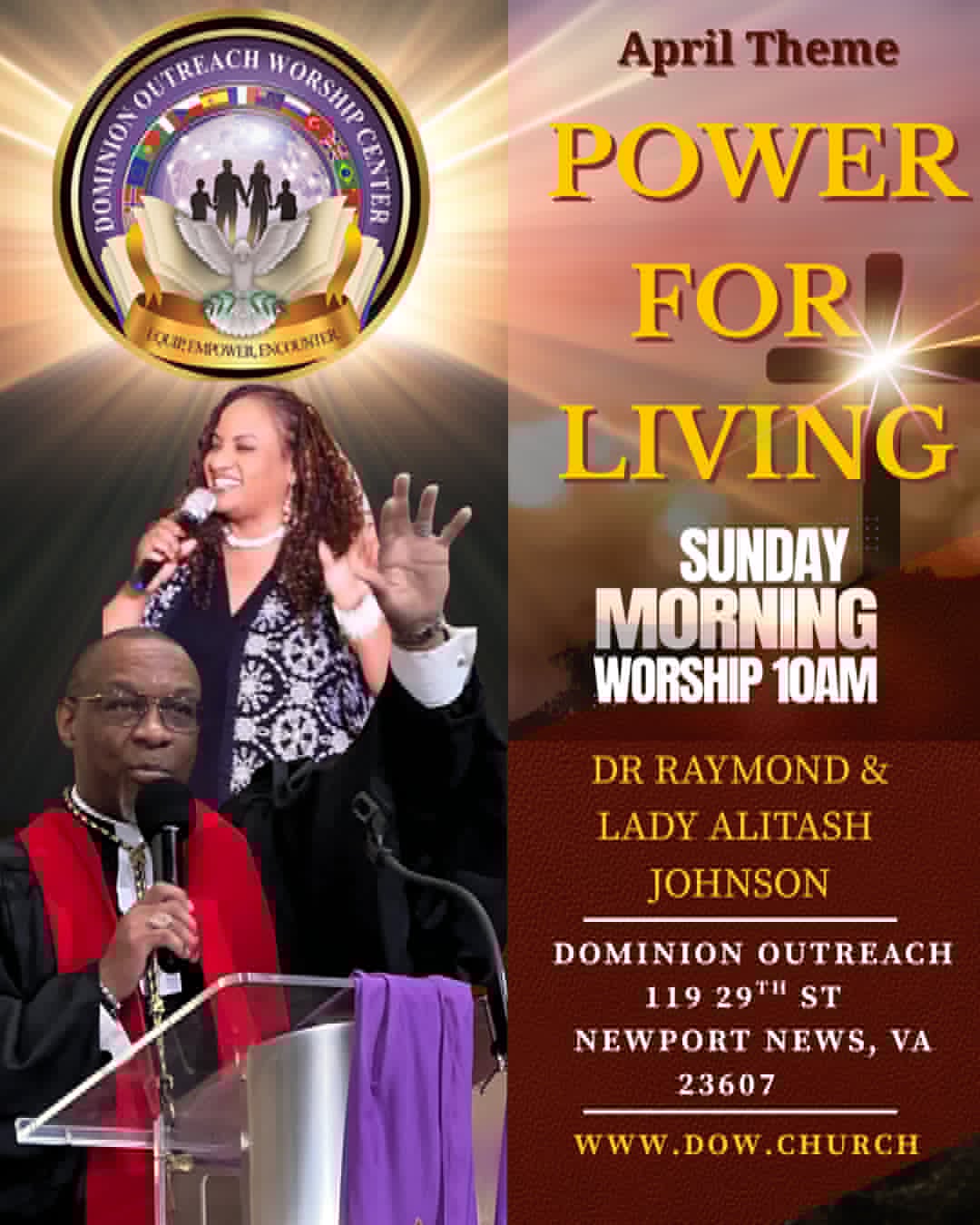
Power for Living
Many Christians and many people around the world often associate the resurrection of Jesus with traditions such as jellybeans, bunny rabbits, and candy for children. This practice reflects religious syncretism stemming from adjustments to the calendar in order to align Eastern and Western traditions, promoting a more universal approach to the faith. The blending of various beliefs and worship practices is evident. However, the resurrection of Christ remains a unique and unparalleled event within history. Unlike other major spiritual leaders, Jesus of Nazareth claimed divinity, foretold his death and fulfilled his promise with resurrecting from the grave. Furthermore, He left his essence in spiritual form to dwell among his followers, enabling a sustained connection with God and empowering believers in their daily lives. Throughout this month, we will explore the significance of Christ’s resurrection and its ongoing impact, affirming that through Christ—the resurrection and the life—we are granted POWER FOR LIVING.
4-5-2025 ” Resurrection Sunday: ” Living to Live Again
Sermon Summary:
This Resurrection Sunday service centers on honoring Jesus Christ for His death and resurrection, inviting the Holy Spirit to meet real needs, and calling everyone to leave changed by God’s presence. The congregation is led in worship that emphasizes laying burdens down, blessing the Lord at all times, and surrendering fully to God so He can use their lives. Gratitude is repeatedly expressed for God’s faithfulness, mercy, and protection, even when people have not fully trusted Him.
The message also reinforces that Easter is not about cultural symbols like bunnies and eggs, but about Jesus rising from the grave to give believers access to eternal life. Dr. Johnson reminds the church that Jesus is alive and now intercedes for believers, and that His resurrection power means, “He got up so I can get up,” encouraging people to rise from whatever has held them down.
A key moment focuses on preparing for the Lord’s Table with seriousness and humility. The congregation is instructed to examine their hearts, forgive others, and come to communion in a worthy manner, remembering Christ’s sacrifice and receiving cleansing and freedom. The suffering of Jesus is highlighted as love in action, and His wounds are connected to healing and restoration for God’s people.
The service also includes practical encouragement for spiritual growth: continuing to seek God first (Matthew 6:33), remembering that believers are raised and seated with Christ (Ephesians 2:6), and staying positioned and aligned with God to live out the Kingdom daily through ongoing teaching and Bible study.
Powered By EmbedPress
Monday’s Meal 4-6-2026: The Real Meaning of Resurrection 

4-12-2026 ” When Seeing is Believing ”
Sermon Summary:
The sermon centers on celebrating Jesus’ death, burial, and resurrection as the proof that God is still in control and still has all power. In this Pentecost season, the church is called to respond with visible faith—worshiping boldly, praying confidently, and believing God is present and active “in the room” and in every need represented.
Drawing from John 20:1–18, the message points to the resurrection as the foundation for hope: when Jesus is alive, despair does not get the final word. The congregation is encouraged to keep moving forward—refusing to doubt, turn back, or give up—because God still heals, delivers, and sets free.
A major theme is rejecting fear. The worship declares that “Jehovah has the final say,” even over medical reports, financial pressure, and uncertain circumstances. Because the Lord is our light, salvation, and protection, believers can live with courage and peace rather than anxiety.
The sermon also emphasizes unity and togetherness in the body of Christ. The church prays for one another by name, for leadership, and for God’s anointing to rest on the entire gathering, asking God to fill the room with joy, love, peace, and a shared commitment to learn, love, and serve Him.

Powered By EmbedPress
4-19-2026 ” Proof of Life”
Sermon Summary:
he sermon centers on the question, “How do I prove that Jesus is alive?” Using John 20:24–29, Dr. Raymond Johnson explains that Jesus gave “proof of life” after the resurrection by showing Himself alive with undeniable evidence—especially to Thomas, who struggled to believe because he wasn’t present the first time Jesus appeared to the disciples. When Jesus returned, He met Thomas personally, invited him to examine His wounds, and brought Thomas from doubt to confession: “My Lord and my God.” A key takeaway is that peace and confidence come when we “see the Lord” at work—both through the original eyewitness testimony of the disciples and through the living evidence of transformed lives today. The message emphasizes that God doesn’t ask for blind superstition; He provides real confirmation of His power and presence, often through His Word and through what He does in and around believers. The sermon also challenges listeners not to miss what God is doing by being absent, offended, or influenced by outside voices defining faith and church life. Like Thomas, people can miss a “move of God” when they disconnect, but God still calls them back to faith and obedience. The response is to stay in place, stay ready, and trust Christ’s Word above competing narratives. Finally, the sermon calls everyone to a shared responsibility in real Christianity: personal faith expressed through confession and repentance, allowing God’s power to change how we talk, think, and live. The closing encouragement is to seek God first, invite Him to “take up residence,” and believe the blessing Jesus spoke: those who have not seen and yet have believed are blessed.
Powered By EmbedPress
4-26-226 ” The Least, Last, Lost and Left Out”-Q &A Session.
Sermon Summary:
The sermon centers on a call to recognize Jesus as Lord and to respond by pursuing God wholeheartedly, not just during worship services but in everyday life. The speaker emphasizes that God is present in the middle of our storms and challenges, but He desires our acknowledgment and dependence—an honest “yes” to His will and His way.
A major theme is Spirit-filled living: the Christian life is meant to be empowered by the Holy Spirit, producing real transformation, consistent obedience, and a deeper walk with God. The message highlights how God can pull people “out of the mud,” preserve lives that could have been lost, and bring deliverance to those who are bound—addiction, brokenness, and spiritual drift are not beyond His reach.
The sermon also encourages believers to “get in position and stay aligned” with God so they can be assigned by God for His purpose. This alignment involves worship, praise, prayer, love for others, and practical obedience. The church is urged to be a visible light in the community—placed there intentionally by God—to draw the lost and create space for revival.
Finally, the message ties faith to action: giving is presented as a biblical principle with spiritual impact (“give and you will receive”), and even small steps of obedience can lead to salvation and breakthrough for entire families. The overall invitation is to become a “God chaser”—to seek Him persistently, trust His plans, and expect His power to work in and through our lives.
Powered By EmbedPress